Garage Door Security Checks for Residences in Wind Region C.
A garage door looks straightforward from the road, but in Wind Area C it is among one of the most important parts of a home's weather condition security. When a door is weak, inadequately kept, or simply out of step with current garage door requirements, it can become the very first failure factor in a severe wind occasion. When that opening paves the way, the pressure inside your house can increase quickly, and the damages is seldom restricted to the garage itself. Wall surfaces, ceilings, roofing cladding, saved materials, and also neighboring properties can be affected.
That is why security checks for homes in Wind Area C need to be sensible, not cosmetic. A door could look fine on a calm day and still disagree for cyclonic winds. It could open efficiently yet have springtimes, cords, mendings, or an electric motor that are tired from years of use. It might have been mounted before the current wind-rated demands came into effect and never effectively analyzed because. In this part of Queensland, that space matters.
Why garage doors deserve more attention in Wind Region C
Queensland's building structure draws from the National Construction Code, the Queensland Advancement Code, the Building Act 1975, and the Building Guideline 2021. Within that structure, Australian compliance for garage doors is not just a technological detail. Criteria become essential when they are referenced by legislation, and then they quit being optional in method. That is particularly appropriate in cyclone-prone areas where the incorrect door can jeopardize the whole building envelope.
The Queensland Government has been clear that garage doors installed in influenced locations considering that 2012 have to satisfy the wind-rated criterion, AS/NZS 4505. That issues because older doors might not have adequate stamina for cyclonic winds, also if they still function well day to day. A door can be straight, peaceful, and apparently dependable while still lacking the reinforced building and construction that wind area conditions demand.
The reason this gets so much focus is not theoretical. After Cyclones Larry and Yasi, Queensland building advice particularly identified the need for a wind-rated requirement in Wind Area C. That history rests behind the present method, and it clarifies why installers, repairers, and house owners currently need to think of more than convenience. A garage door failure can turn a local maintenance problem into an architectural one.
What a security check ought to actually look at
An appropriate garage door safety check begins with the door itself, yet it needs to not stop there. In homes across Wind Region C, I have seen proprietors focus on the panels or the paint and overlook the components that bring the real tons. The door's tracks, springtimes, wires, repairings, and opener all add to exactly how well it carries out under stress.
The very first concern is whether the door is wind-rated for the place. If it was installed after 2012 in an afflicted area, the assumption ought to not be that it is certified just due to the fact that it was marketed as a garage door. The item, installation, and website problems all matter. A certified door in one atmosphere might not be adequate in one more if the repairing details or direct exposure differ.
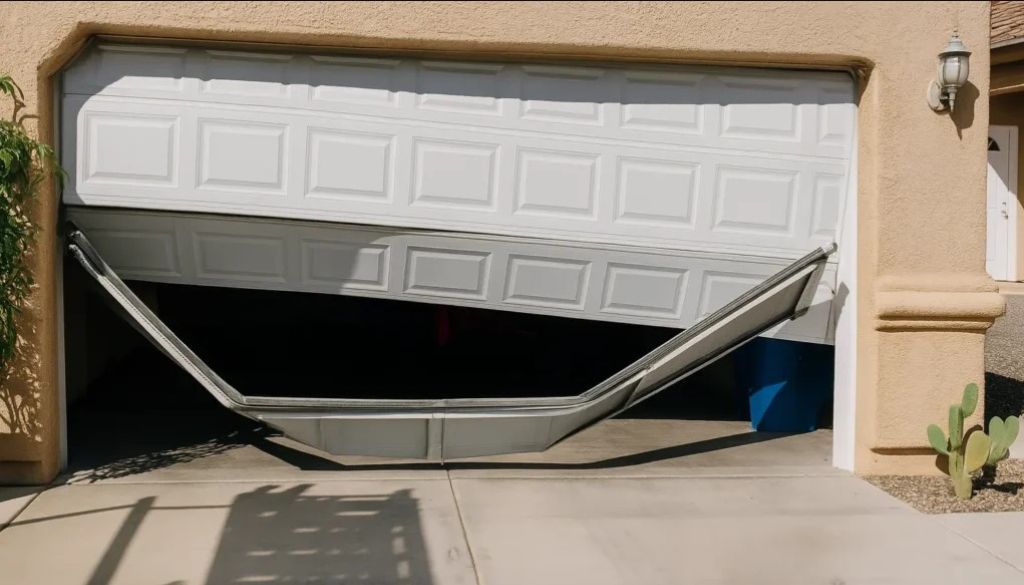
Next comes the problem of the relocating parts. Springs store a lot of pressure. Wires do as well, differently. When either begins to put on, fray, stretch, or shed tension, the door can come to be unsafe to run and more challenging to secure. That threat is not constantly remarkable. In some cases the early signs are refined, a little change in equilibrium, a small doubt as the door lifts, or a sound that was not there prior to. Those small changes are worth taking seriously.
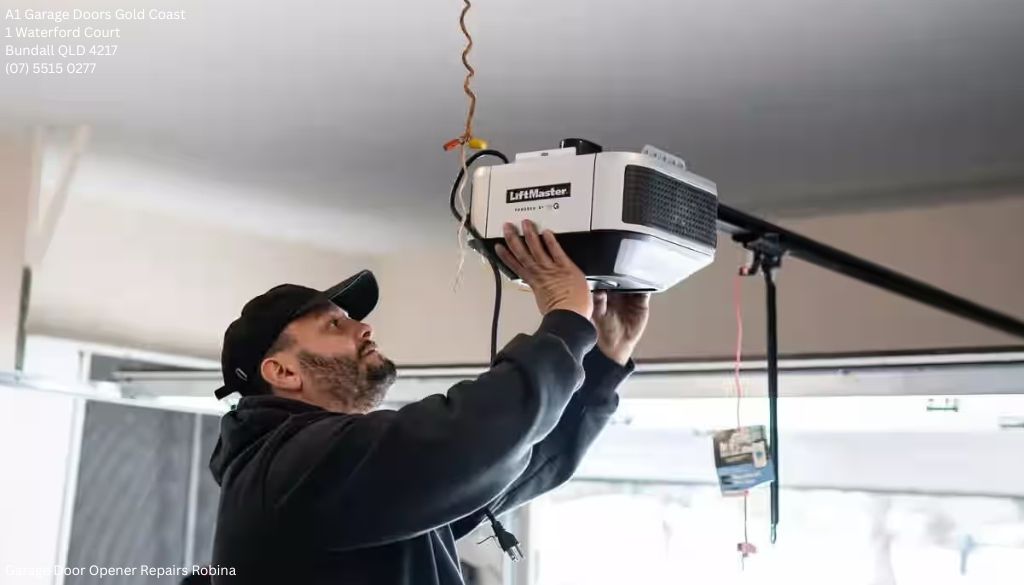
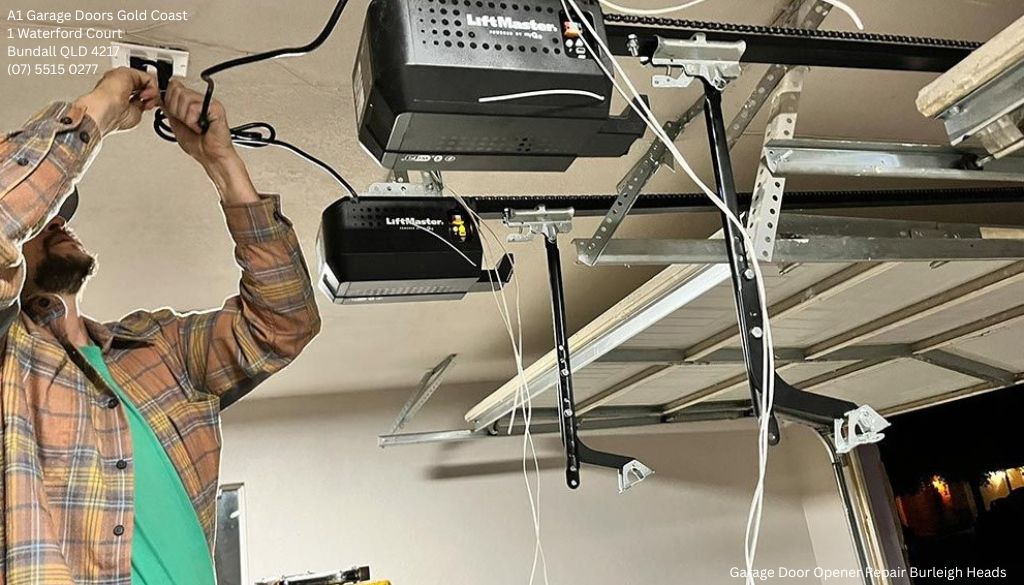
The opener likewise should have a close look. B&D keeps in mind that some of its openers include a solution indication light, which is useful since it provides homeowners a cue that the device needs interest. That kind of prompt ought to not be ignored. A motor might keep functioning long after it has begun to battle, however battle is specifically what you do not desire from a system that needs to hold a door consistent in extreme weather.
Signs that are worthy of instant attention
Some problems are noticeable, others are simple to excuse until they come to be pricey. A door that scrapes, rattles, or sits unevenly on its tracks is signalling that something has actually changed. A remote that only functions intermittently may be as easy as a battery issue, however it can also reveal a broader opener problem. B&D's fixing guidance points to those fundamental reasons first, including reduced remote batteries or the opener being separated from the door.
The vital part is understanding where DIY ends. Replacing a remote battery is one thing. Adjusting springs, dealing with cords, or trying to force a stuck door back right into line is something else completely. Those components can hold adequate power to wound a person badly. On a risk-free job website, trained experts handle the job because the risks being in the hardware, not just the inconvenience.
If the door has visible rust, rust around bolts, or indicators of physical damage from effect, it needs to be evaluated promptly. Coastal homes are specifically vulnerable to deterioration, and also small locations of wear and tear can end up being larger weaknesses with time. A rusty bolt in a wind-rated system is not a minor imperfection, it can be a point of failing when the stress rises.
Age, service background, and the trouble with assumptions
One of the simplest mistakes home owners make is thinking that because a door has lasted for many years, it needs to still be suitable. Durability is not the same as compliance. A door mounted before the 2012 demand may have worked perfectly in regular weather condition however still fall short of current expectations for Wind Area C. The very same puts on hardware that has made it through seasonal tornados without significant problems. Survival is not certification.
Service background matters because garage doors age in layers. garage door repairs near southport qld The panels may continue to be audio while the springs lose efficiency. The opener may still respond, yet slower than it used to. The security reversal might still operate, however not as crisply. These are the type of adjustments that a normal professional solution is intended to catch.
Gliderol's maintenance support is a beneficial benchmark below. It recommends panel doors be oiled every 3 to 6 months and serviced every 2 years, with more regular attention for coastal residential or commercial properties. That is a practical period for proprietors who want both security and long life. B&D also links guarantee coverage on some domestic systems to maintenance within the first year and after that a minimum of every two years. That is not simply a guarantee detail. It reflects the reality that garage doors need scheduled focus to remain dependable.
For property owners, the sensible takeaway is simple. If the solution document is missing out on, unclear, or older than 2 years, the door ought to be dealt with as due for inspection. In coastal or extremely exposed locations, that period can be also long in practice, especially if the door sees heavy everyday use.
Repair, substitute, or upgrade
Not every problem implies a full substitute. Occasionally industrial garage door fixings are a better response than beginning again, particularly when the damage is isolated and the door was initially selected well for the website. A damaged opener, worn rollers, worn out climate seals, or a fallen short cord element may be repairable without changing the entire setting up. That claimed, fixing only makes good sense when the underlying door still meets the relevant wind and security expectations.
If the door is old, non-compliant, or repetitively needing interest, replacement often comes to be the smarter choice. This is particularly true in Wind Area C, where the margin for error is smaller. A door that keeps obtaining patch repair work may be eating cash that would be much better spent on a wind-rated upgrade. The choice normally comes down to three questions: does it fulfill current requirements, can it be serviced accurately, and is the equipment now too exhausted to trust?
There is also a distinction in between cosmetic upgrades and significant ones. A brand-new opener with clever controls serves, but just if the door structure itself is sound. Much better comfort does not make up for weak fixings or a door that was never created Chamberlain opener for the wind area it beings in. Similarly, a more appealing surface does not boost safety and security if the springs, cords, and brackets are past due for replacement.
How different door styles influence the safety and security conversation
Homeowners often ask whether roller, sectional, or tilt doors are the most effective selection. The sincere answer is that each can be appropriate when designed, installed, and preserved properly for the site. The style matters, but wind rating and conformity issue more.
Roller doors are common because they are portable and useful, specifically where driveway area is restricted. Sectional doors are typically chosen for their appearance and the method they open in segments, which can make them really feel more improved in domestic settings. Tilt doors have their very own location, specifically in homes where the opening geometry suits that style. None of those options must be evaluated on style alone in Wind Region C.
What issues is whether the door is engineered for the local wind area and whether the equipment has the strength to remain in location under pressure. A well-installed area door can surpass a bad roller door, and the opposite can additionally hold true. The same holds for the opener. If the electric motor is underpowered, terribly matched, or improperly maintained, it enters into the problem rather than component of the solution.
For homes near the coastline, rust resistance must belong to the option discussion from the beginning. Salt air does not just plain the surface, it reduces the life of hardware if the elements are passed by and maintained thoroughly. That is one reason proprietors in revealed suburban areas commonly require extra frequent maintenance than proprietors inland.
The house owner checks worth doing between professional services
A homeowner can not and ought to not do major mechanical work with a garage door, yet there are a couple of reasonable checks that assist capture problem early. These are not substitutes for a trained evaluation. They are the small observations that inform you when to make the call.
A visual consider the door can expose irregular spaces, damage to panels, evident corrosion, or repairings that show up loosened or absent. Listen for grinding, popping, or scratching when the door opens up and closes. Enjoy whether the door rises evenly or wanders away. Check whether the opener responds regularly and whether the remote is operating as anticipated. If the door really feels heavier than normal when operated by hand, that is an indication something in the equilibrium system requires attention.
Here are the only checks most house owners ought to take into consideration regular in between services:
- Look for evident rust, loosened repairings, or visible damage.
- Listen for brand-new noises, particularly scraping, grinding, or popping.
- Test the opener and remote feedback for consistency.
- Watch whether the door opens uniformly without hesitation.
- Book a specialist if the door feels heavier, sticks, or rests crooked.
That is enough to discover problem early without transforming a home owner into a repair service specialist. When a problem relocates beyond easy monitoring, it belongs with somebody trained to manage it safely.
Security and weather resistance are linked
It is tempting to separate security from tornado preparedness, but in technique they overlap. A garage door that is weak sufficient to bend exceedingly in wind might also be simpler to force or exploit. A door with worn out locks or an undependable opener might be much less safe in day-to-day use and even more prone in serious weather condition. That is why great maintenance repays twice.
Smart controls can boost convenience, and in some families they improve peace of mind too. Still, no wise feature can make up for inadequate hardware. A robust system begins with a strong door, sound dealings with, and an opener that is appropriately matched to the door. Then the convenience features rest on top of that foundation.
Owners occasionally focus on remotes and phone control due to the fact that those are the components they observe a lot of. The actual worth, however, hinges on the covert parts. Springs that are correctly balanced, cable televisions that are undamaged, tracks that are aligned, and fasteners that are doing their work are what keep the door secure when problems transform quickly.
Why solution intervals matter much more in seaside parts of Wind Area C
Wind Region C includes lots of homes that face not only strong wind, however salt, humidity, and heavy seasonal wear. Those problems can shorten the life of parts that look fine from a distance. A door that is serviced every couple of years in a sheltered inland place might need interest earlier near the coastline. Gliderol's recommendations to service more frequently in coastal properties mirrors that reality.
There is likewise a guarantee angle that home owners ought to not miss out on. When makers set service intervals, they are not only handling customer care, they are specifying the conditions under which the system is expected to do. If servicing lapses, guarantee cover for motorised elements can be influenced. That is one more factor to maintain records and billings. If you ever require to prove a service history, memory is not enough.
The same logic puts on any kind of home where the garage door sees hefty daily usage. A family members that cycles the door numerous times a day will put on hardware faster than a property where the door is utilized occasionally. More use suggests extra cycles, and extra cycles indicate more wear. That is not a defect, just mechanics.
A practical method to consider risk
The appropriate question is not whether a garage door has ever before made it through a poor tornado. The ideal question is whether it is presently fit for the wind area it sits in. That indicates examining compliance, age, problem, and service garage door resource background with each other. A fine-looking door can still be the wrong door. A functioning door can still be past due for service. A repaired door can still be an inadequate prospect for further jumble if the structure is fatigued.
The safest strategy is normally the least remarkable one. Confirm the door's wind rating. Validate its solution record. Focus on corrosion, wear, and unusual operating behavior. Get a trained specialist to check the system if anything doubts. If the door is old, terribly matched to the website, or continuously stopping working, replacement is typically the better financial investment than trying to maintain a weak system alive.
Wind Region C does not forgive presumptions. A garage door is not just an ease at the front of your home, it belongs to the building's capability to withstand severe climate. When it is examined correctly, serviced on schedule, and changed when it is no more suitable for function, it does its work quietly. That is what you want from a door in a cyclone-prone area, not something impressive, just something trustworthy when the climate turns.